How To Prepare Your Property Before Your Skip Bin Arrives In Beaudesert
There's a particular kind of frustration that comes from watching a delivery truck idle at your driveway while you scramble to move the car, shift a pile of garden gear or unlock the gate you forgot was padlocked. It happens more often than skip bin companies would like to admit. A little preparation before your
skip bin hire in Beaudesert can be the difference between a smooth, stress-free drop-off and a delivery that gets rescheduled entirely. Whether you're clearing out after a renovation, doing a big seasonal cleanout or managing a deceased estate, how well you prepare your property affects everything from safety to loading efficiency.
Know How Much Space the Truck Actually Needs
The vehicle delivering your skip bin is significantly larger than the bin itself, and that catches a lot of people off guard.
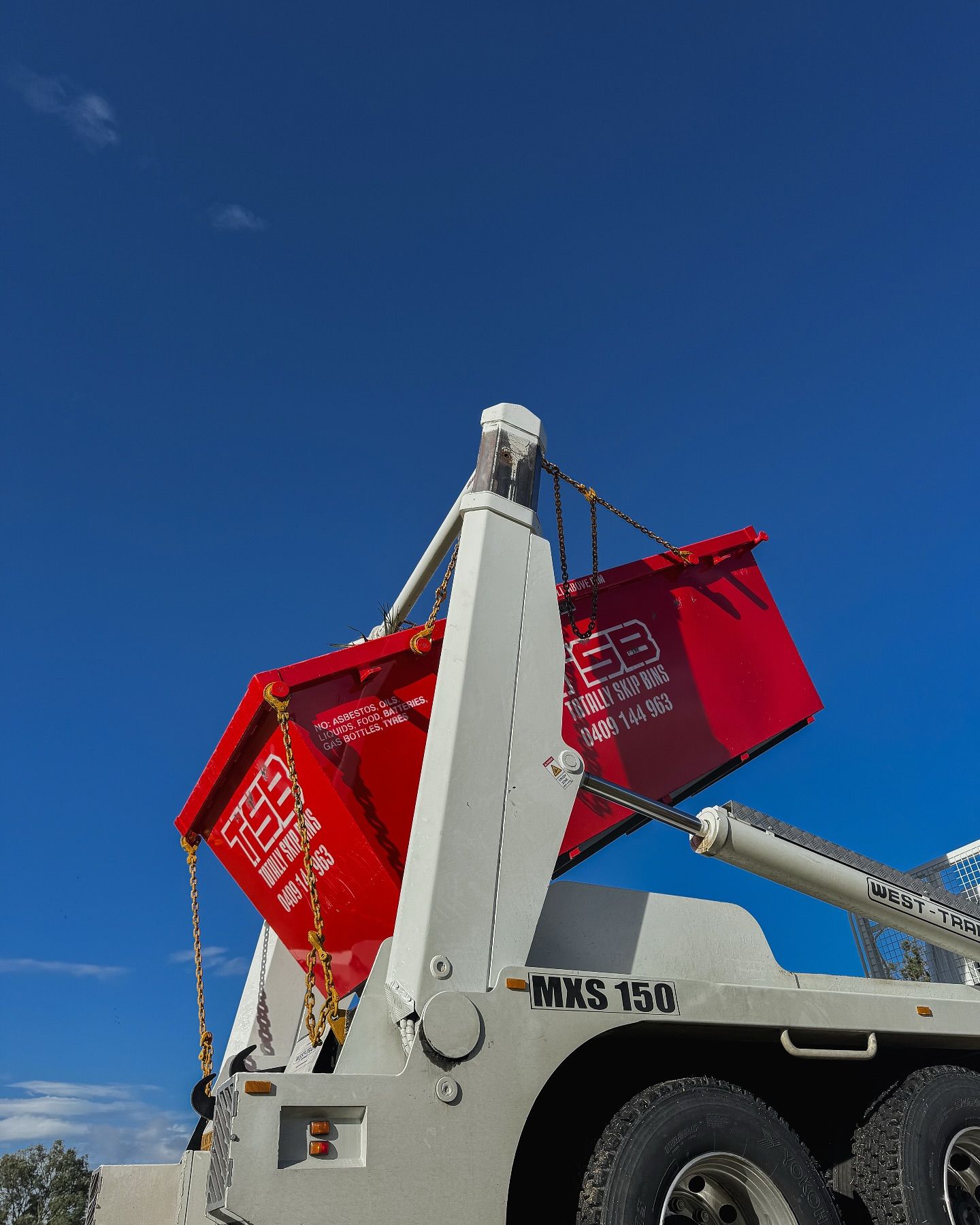
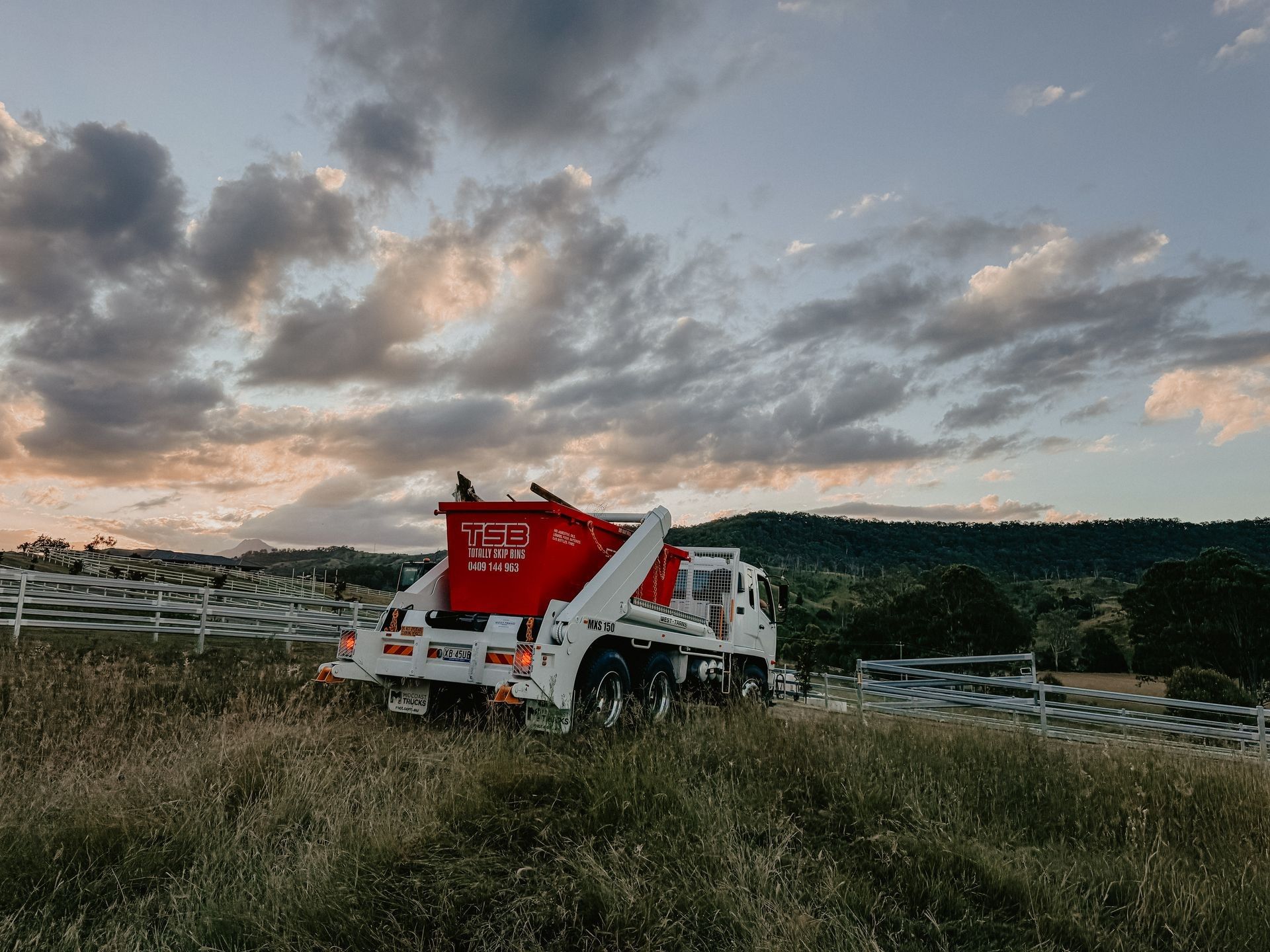
Most skip bin delivery trucks require a clear run of roughly 20 to 25 metres in a straight line to safely position and lower the bin. That accounts for the truck's length, the tipping mechanism and safe manoeuvring room. If your driveway curves sharply, has a low-hanging tree or sits on a narrow street, the driver may not be able to complete the delivery safely.
Consider these access factors before your booking is confirmed:
- The width of your driveway or access point (ideally 3+ metres clear)
- Overhead clearance for trees, power lines and eaves (typically 4+ metres needed)
- Whether the street allows the truck to stop temporarily without blocking traffic
- Any gates or bollards that would need to be opened or removed
Clear the Drop Zone Before the Driver Arrives
The placement area for your bin needs to be completely clear before the truck pulls up — not cleared while the driver waits.
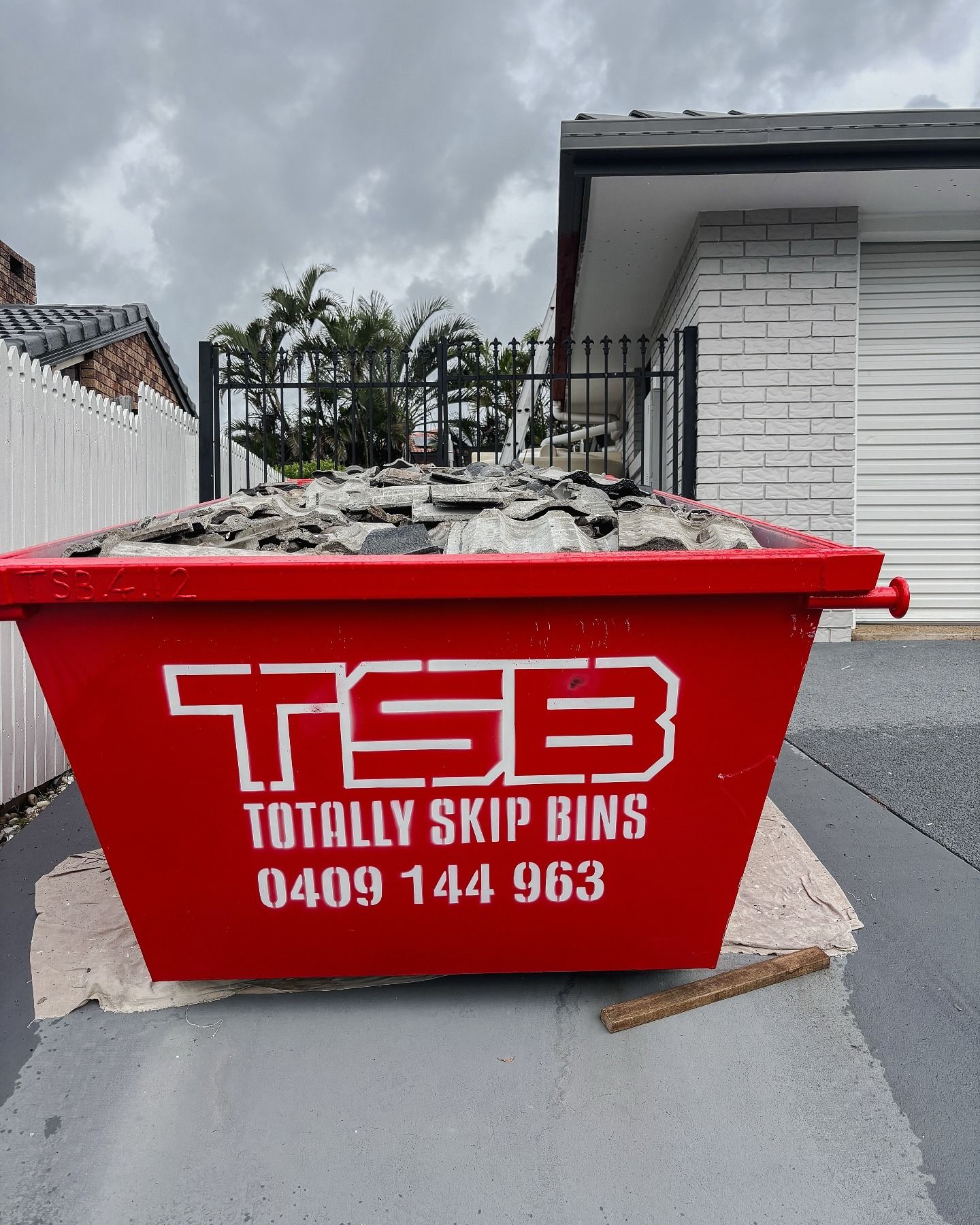
A skip bin sits on the ground and needs a flat, hard surface that can bear its loaded weight. Gravel can shift, soft lawn can sink under heavy bins and sloped areas create a tipping risk once waste starts to accumulate. Take a walk around the intended spot a day or two before delivery and remove anything that doesn't belong there.
These are the most commonly overlooked obstacles:
- Garden hoses, extension cords or irrigation lines running across the area
- Potted plants, outdoor furniture or kids' play equipment
- Loose gravel or uneven pavers that could shift under load
- Parked vehicles belonging to neighbours or visitors
Protect Your Driveway Surface from Damage
A loaded skip bin can exert significant pressure on driveway surfaces, and some materials simply aren't built to handle it. Concrete and asphalt driveways are generally fine, but older surfaces with existing cracks may worsen under concentrated load. Exposed aggregate, decorative stamped concrete and clay pavers are particularly vulnerable. If your driveway is newer or in questionable condition, let your skip bin provider know when you book — most can advise on protective timber boards or alternative placement options.
Pay close attention to:
- Any visible cracks, soft patches or previous repairs on the surface
- Whether the driveway sits over an underground tank, pipe or void
- Areas near the edge of the driveway where the surface may not be reinforced
- Whether a verge or street placement might be a safer alternative
What Obstacles Should Be Cleared from the Surrounding Area?
It's not just the drop zone itself — the access path from the street to your placement spot matters just as much. The truck needs a safe, unobstructed travel path, and anything along that route can become a hazard or a delay. This is especially relevant for properties with long driveways, rear access or shared entry points with neighbours. Walk the full route from the street to the intended bin spot and take note of anything that could snag, block or slow the delivery vehicle.
Clear or address the following before delivery day:
- Low-hanging branches that could catch on the truck's hydraulic arms
- Basketball rings, clotheslines or fixed structures near the path
- Speed humps or kerb lips that might limit truck clearance
- Tight turns or narrow sections that the driver should know about in advance
Plan Your Loading Strategy Before the Bin Lands
Thinking about what goes in the bin and in what order will save you a surprising amount of time and physical effort. Without a plan, most people start throwing things in randomly and end up with a poorly packed bin that runs out of space before the job is done. The goal is to use the bin's volume efficiently, which means putting flat or heavy items in first, filling gaps with smaller debris and keeping the load level as you go. For waste disposal tips that actually hold up in practice, experienced skip hirers will tell you that loading order matters as much as bin size selection.
A smart loading approach includes:
- Breaking down bulky items like furniture, shelving or timber before they go in
- Layering heavy, flat waste (tiles, pavers, timber) at the base
- Filling gaps with loose rubble, soil or bagged rubbish
- Keeping one side accessible while loading so you can walk material in rather than throwing it over the top
Understand What You Can and Cannot Throw In
Not everything is accepted in a standard skip bin, and loading prohibited items can result in unexpected fees or a rejected bin at the weighbridge. This is one of the most common sources of confusion and added cost for customers who haven't hired a skip before. The list of accepted materials varies slightly between providers, but there are consistent categories of waste that are either restricted or require a specific bin type. Sorting your waste before the bin arrives — rather than during — keeps the loading process moving and avoids any last-minute surprises.
Items that typically cannot go into a standard skip bin:
- Asbestos or asbestos-containing materials in any form
- Liquid waste, paints, solvents or chemical containers
- Tyres, batteries and electronic waste (e-waste)
- Gas bottles, fire extinguishers or pressurised cylinders
Skip Bin Safety During Loading and Access
A skip bin on your property is a worksite hazard, and treating it that way from day one protects everyone who comes near it. This matters more than most people realise, particularly in households with children, pets or visiting tradespeople. A bin that's loaded unevenly can shift or become unstable. Sharp materials left sticking above the bin rim are a risk to anyone walking nearby. And a bin placed without thought for evening visibility can become a genuine hazard on unlit driveways or near footpaths. Skip bin safety isn't about being overcautious — it's about simple, common-sense steps that prevent avoidable incidents.
Keep these safety principles in mind throughout the hire period:
- Never overfill the bin beyond the marked fill line
- Ensure sharp or protruding materials are pushed down flat or covered
- Keep children and animals away from the loading area during active use
- Place a witches hat or barrier near the bin if it sits close to foot traffic or the street
How to Avoid Delays and Keep Your Hire Period on Track
Getting the most out of your skip bin hire means thinking a step beyond just the delivery — the collection side matters too. Most hire periods run for a set number of days, and if the bin is fully loaded before collection is scheduled, you may need to arrange an early pickup or sit with a full bin that can't take any more waste. Equally, if you're not finished loading by collection day, an extension can sometimes be arranged but isn't always guaranteed. A bit of forward planning around your workload and timeline keeps the whole job running cleanly.
To avoid common timing issues:
- Estimate realistically how long your cleanout or project will take before booking
- Don't fill the bin to capacity on day one if you have more waste still to sort
- Confirm the collection process with your provider — some require a call, others collect automatically
- Flag any access changes (like a gate being locked on collection day) well before pickup
Ready to Get Started? We're Here to Help
We at Totally Skip Bins understand that every property and every job is a little different. Properties across the Beaudesert region come with their own quirks — tight rural driveways, gravel tracks, steep blocks and older surfaces — and we're used to working with all of them. Whether you're unsure about placement, need advice on the right bin size for your project or want to talk through what waste you can include, our team is happy to have that conversation before you book. Reach out to us today, give us a call or book online to get your skip bin hire in Beaudesert sorted the right way from the start.