How To Avoid Overfilling Your Skip Bin: Safety & Compliance Tips
Hiring a skip bin is often one of the most practical ways to manage waste during a clean-up, renovation or construction project. It offers a central place to dispose of materials and helps keep the site organised. However, as the bin begins to fill, it can be easy to underestimate how quickly space runs out.
Many people only realise they have overfilled a skip bin when it is time for collection. By that stage, adjustments may be needed before it can be safely removed. Understanding how to manage capacity, distribute waste and plan ahead can make the process far smoother. With the right approach, it is possible to use the available space effectively while staying within safety and compliance requirements.
Understanding What “overfilling” Actually Means When Hiring a Skip Bin
Overfilling is not just about how much waste fits inside the bin. It is defined by clear limits that relate to both height and safe transport conditions. Most skip bins include a visible fill line, which indicates the maximum level that waste should reach.
Key indicators of overfilling include:
- Waste sitting above the top edge of the bin
- Items protruding in a way that could shift during transport
- Uneven loads that create instability
- Excess weight beyond the intended capacity
Staying within these limits allows the bin to be transported safely and collected without delay. Skip bin hire services typically provide guidance on these requirements when arranging delivery.
Why an Overfilled Skip Bin Can Create Safety Risks During Transport and Collection
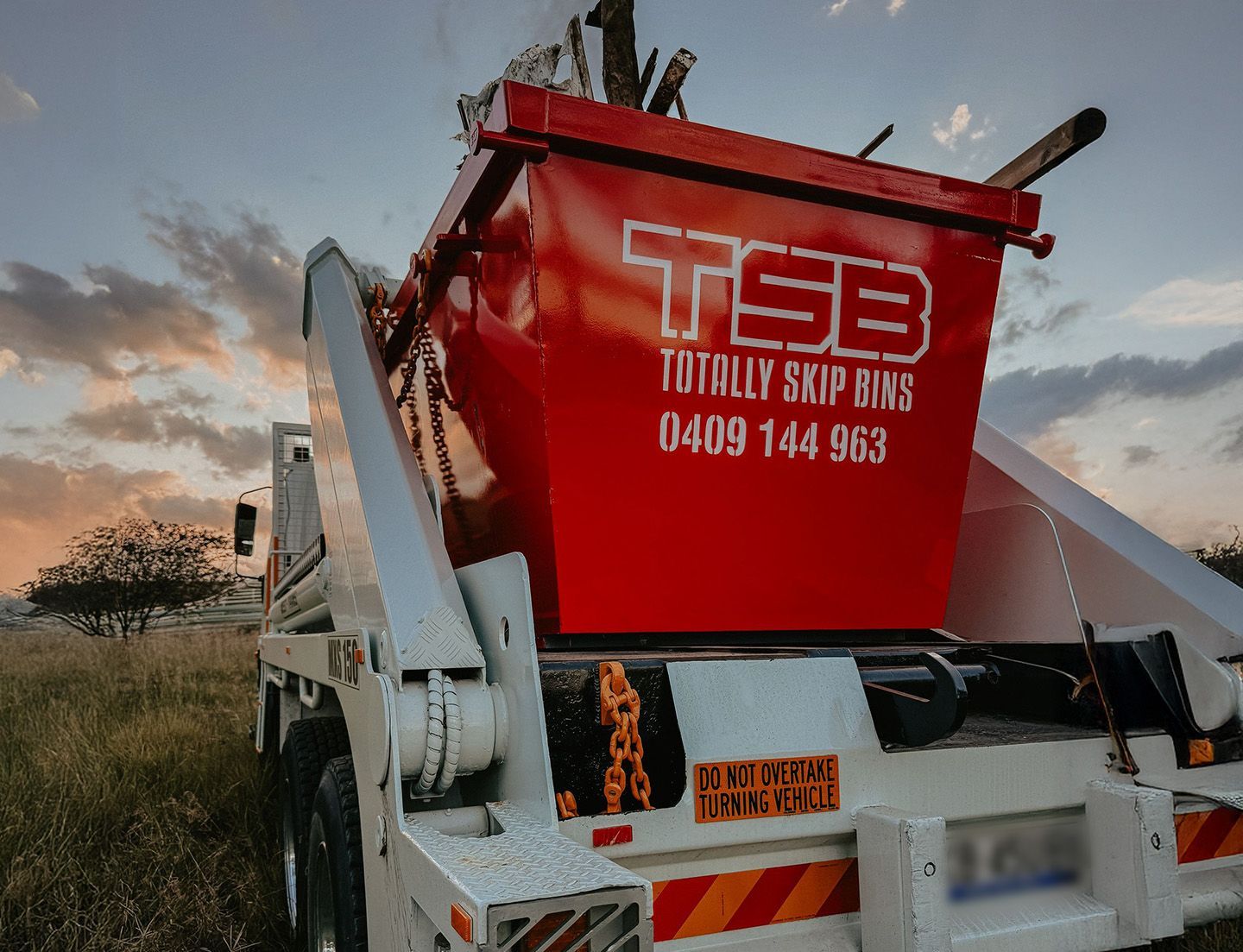
An overfilled skip bin can become difficult to handle once it is ready for collection. Waste that sits above the rim may shift during lifting or transport, increasing the risk of material falling from the bin. This can create hazards not only for the collection team but also for surrounding areas.
Stability is another concern. Uneven or overloaded bins may affect how the bin is lifted onto a truck, particularly if weight is not evenly distributed. This can place additional strain on equipment and make the process less predictable.
By keeping waste within the designated limits, these risks are reduced, and the collection process can proceed in a more controlled way.
Choosing the Right Skip Bin Size Can Prevent Overfilling From the Start
Selecting the correct bin size is one of the most effective ways to avoid overfilling. Underestimating the volume of waste often leads to bins filling up faster than expected, especially during larger projects.
When choosing a bin size, it can help to consider:
- The type of project, such as household clean-ups or renovations
- The expected volume of waste materials
- Whether items are bulky or compact
- The likelihood of additional waste being added during the project
Skip bin hire services can assist with selecting a size that aligns with the scope of the job. Choosing slightly larger capacity can provide flexibility and reduce the need to overload the bin.
Heavy Materials vs Bulky Waste: How Different Loads Impact Your Bin Capacity
Not all waste fills a skip bin in the same way. Some materials take up more physical space, while others add weight quickly without appearing to fill the bin.
Bulky items such as furniture or large packaging can reach the fill line before the bin feels heavy. In contrast, materials like soil, concrete or bricks can reach weight limits even when there is still visible space remaining.
Understanding this difference can help guide how waste is loaded. Mixing heavy and light materials carefully and avoiding concentrated weight in one area can support safer use of the bin.
Smart Loading Techniques That Help Maximise Space Without Exceeding Limits
Loading a skip bin efficiently can make a noticeable difference to how much waste it holds. Simple techniques can help create more usable space while keeping the load within safe limits.
Helpful approaches include:
- Breaking down large items before placing them in the bin
- Placing flat materials along the base to create an even surface
- Filling gaps with smaller items to reduce empty spaces
- Distributing weight evenly across the bin
These methods allow waste to be arranged in a more compact way, reducing the likelihood of reaching the fill line too quickly. Careful loading also helps maintain stability during collection.
What Happens if Your Skip Bin is Overfilled at Collection Time
If a skip bin is found to be overfilled at the time of collection, it may not be removed until the load is adjusted. This is because transport regulations require waste to be contained securely within the bin.
In some cases, excess material may need to be removed before collection can proceed. This can delay the process and require additional time or effort on-site. Depending on the situation, alternative arrangements such as a second bin may be considered.
Keeping within the recommended limits from the beginning can help avoid these interruptions and keep the project running on schedule.
Local Regulations and Guidelines That Affect Skip Bin Use and Compliance
Waste disposal is subject to guidelines that are designed to support safe handling and transport. These guidelines apply to how bins are filled, what materials are included and how waste is managed once collected.
General expectations may include:
- Keeping waste below the designated fill line
- Avoiding prohibited or hazardous materials
- Ensuring the bin remains stable and accessible for collection
- Following instructions provided by the skip bin hire service
Understanding these requirements helps reduce the risk of issues during collection and supports responsible waste management practices.
Planning Your Clean-up Properly to Avoid Last-minute Overfilling Issues
Overfilling often occurs when projects reach their final stages and additional waste is generated unexpectedly. Planning ahead can reduce this risk and make waste management more predictable.
Considering how waste will be generated throughout the project, rather than only at the beginning, can help manage capacity more effectively. Staging disposal, allowing space for final clean-up and avoiding last-minute loading can all contribute to a smoother process.
With a clear plan in place, it becomes easier to stay within limits and avoid the need for adjustments at the end of the project.
We at Totally Skip Bins understand that managing waste in areas like Beaudesert often involves a mix of household clean-ups, renovation projects and outdoor work, where waste can build up quickly. Uneven terrain, limited space and changing project scopes can all make it harder to estimate how much capacity is needed.
If you are planning a project and want to avoid the issues that come with overfilling, we are here to help. Get in touch to arrange skip bin hire in Beaudesert and discuss the right bin size and approach for your clean-up so everything runs as expected from start to finish.